Showing posts sorted by relevance for query template. Sort by date Show all posts

Thursday, September 2, 2021

Add Image control in Dataverse or CRM Templates

 Navigate to https://make.powerapps.com

Navigate to Solutions

Create a Solution by Providing Required Details

Click Save

Then If you want to Create a new Table click App then select Table and Provide Required Information

Else

Click on Add Existing then Select the Existing Table

Open the Created/Existing Table

Then Create an Image File by clicking on Add Column


Click Save

Now go to Forms --> Add the Field into the Form


Once Added the template in the Form click Save then Publish

Now Click on Back

Then Navigate to Data Create a New record and Add an Image File


Once the Record gets Created

Navigate to Advance Settings --> By clicking on Gear Icon at the top then Select Template


Select the Templates and Click New


Select Word Template and select Entity (based on the entity which you have added into the solution), then click on select Entity. System will Generate a File

Open the File then Click on Develop at the top then click on XML Mapping Pane


then Select the last option in Custom XML Part

once selected click expand then select the Logical name of image which we have created
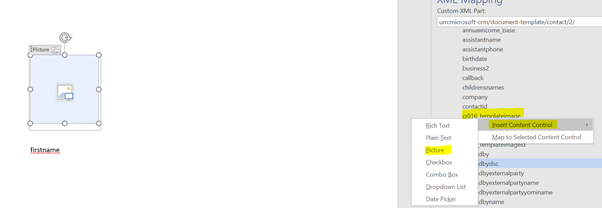


Right Click on Image then select Insert Content Control Then Click Picture

Once the Picture Added save the File (Demo For Document Template)

Then navigate to Dataverse/CRM System then go to template in settings à Select Upload template and Upload the Filed which we have saved.

Once Done. Open the Contact Record which we have created


Click three dots then select Demo For Document Template click on the file to download

Once download done open the file


 Youtube Link for your reference

Subscribe

Monday, November 14, 2022

Generate Word Document Template Using Power Automate

 Introduction:

In this Blog am explaining how to Generate Word Template using Power Automate with Back End as SharePoint.

And am Covering how to add Repeating Controller and Plain Text Content Controller in Word Document.


Implementation Steps:


1. Navigate to your SharePoint Site and Create SharePoint List

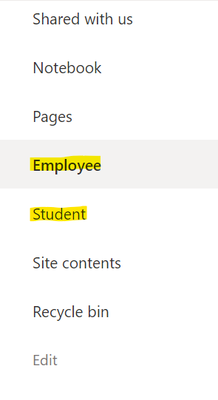
2. In my case i have created 2 SharePoint List One is Employee and another Student

rampprakash_0-1668425443919.png


3. Add Records to Employee List and Student List

rampprakash_1-1668425444174.pngrampprakash_2-1668425444175.png


4. Now Open Microsoft Word Document 


5. Once Microsoft Word Opened Click on Developer in Ribbon Tool Bar 


rampprakash_3-1668425445219.png


6. If the Developer is not available then Click File --> Select Options --> Click Customize Ribbon and Select Developer --> and Click OK


rampprakash_4-1668425445416.png


7. Once Done Click Insert and Select Table


rampprakash_5-1668425445218.png


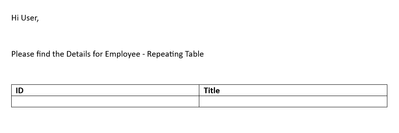
8. Now Input the Name in the First Column


rampprakash_6-1668425443674.png


9. Now Select the ID  then Click On Developer Ribbon Tab at the TOP then Select Add Plain Text Content Controller


rampprakash_7-1668425444701.png


10. Now Once Done Select the ID Column then Click Properties


rampprakash_8-1668425445215.png


11. After Clicking Properties it will Open Popup Enter Title and Tag


rampprakash_9-1668425445220.png


12. Once done, do the same for other Column as Well


rampprakash_10-1668425444424.png


13. Once Done, Now we are ready to Add Repeating Content Controller For the Table so that it will display All the Values from the List


rampprakash_11-1668425444687.png


14. Now Click On Properties and Provide the Tag and Title For Relating Table


rampprakash_12-1668425444705.png


15. The Same Way Create a New Table For Student and Add the ID and Title 


rampprakash_13-1668425445220.png


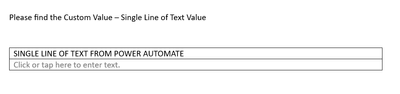
16. Now am Adding a Single Line of Text  Value as Well--> Simply add a Single Line of Text


rampprakash_14-1668425444173.png


17. Once Done Save the File in Your SharePoint Site


rampprakash_15-1668425445214.png


Once after Record Gets Created navigate to https://flow.powerautomate.com


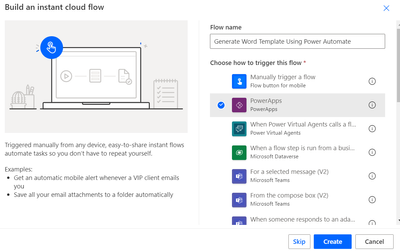
18 . Click Apps --> Select New Flow --> Select Instant Cloud Flow and Input the Name as (Generate Word Template Using Power Automate) and Click Create.


rampprakash_16-1668425445413.png


19. Now Click Add Step and Select SharePoint and Search for Get Items and Add the SharePoint Site and Select List Name


rampprakash_17-1668425445211.png


20. Now Add Get Items Again and Get the Student List


rampprakash_18-1668425444422.png


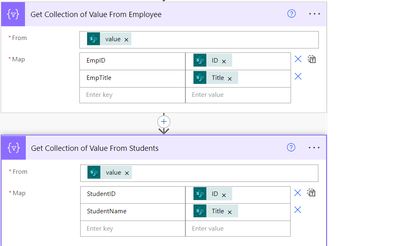
21.Once Done Click Add Step and Search For SELECT


rampprakash_19-1668425444933.png


22. Now Select the Respective Values then Please make sure the EMPID and EMPTITLE As like as Properties which we have created in Point 11


23. Now Select Add Steps --> Search for Word then Select POPULATE A MICROSOFT WORD TEMPALTE then Select the Locations


rampprakash_20-1668425444723.png


24. Now for Populating REPEATING TABLE click the HIGHLIGHED BUTTON and Select the OUTPUT Values form Point 21.


25. Now Add Some Custom Values in Single Line of Text.


26. Now Send an Email 

rampprakash_21-1668425444918.png


That's it :slightly_smiling_face:


Now are are good to start the Process


rampprakash_22-1668425444944.png


Now the Flow Created Successfully. Now am Opening My Email and Downloading the file
 

rampprakash_23-1668425444704.png


Open the Downloaded File 

rampprakash_24-1668425443942.png


That's it :slightly_smiling_face:


I have mentioned Step by Step behaviors for How to Generate Word Document Template Using Power Automate :slightly_smiling_face:

Thursday, February 18, 2016

Trigger a Plugin on Adding User or Removing User from Access Team

We can trigger a plugin on add/remove user from Access Team in CRM 2013 and 2015

SDK provided two messages for it
  1. AddUserToRecordTeam
  2. RemoveUserFromRecordTeam

AddUserToRecordTeam (Primary Entity as teamtemplate)


You will get input parameters as follows

Record -- Entity Reference object of the record
SystemUserId -- User which you want to remove
TeamTeamplateId -- Access Team Template Guid

For more information on input parameters check - AddUserToRecordTeamRequest Members

RemoveUserFromRecordTeam (Primary Entity as teamtemplate)


You will get input parameters as follows Check
  
Record -- Entity Reference object of the record
SystemUserId -- User which you want to remove
TeamTeamplateId -- Access Team Template Guid

Friday, March 4, 2016

Create Access Teams in c#

Hi,


Create Access Team Template based on c# code.


Entity teamtemplate = new Entity("teamtemplate");
teamtemplate.Attributes["teamtemplatename"] = TeamName;
teamtemplate.Attributes["teamtemplateid"] = TeamGuid;
teamtemplate.Attributes["defaultaccessrightsmask"] = Convert.ToInt32(accessRights);
teamtemplate.Attributes["objecttypecode"] = typecode;

orgService.Create(teamtemplate);

Saturday, July 4, 2020

Enable Sideloading of apps

Prerequisites :
Site should be created using developer template.
2-Steps Solution:
1) Download and install SharePoint Online Management Shell
2) Execute the script below. (Note that the Sideloading Feature ID is harcoded in SharePoint, as are many other OOTB features)
#CODE STARTS HERE
$programFiles = [environment]::getfolderpath("programfiles")
add-type -Path $programFiles'\SharePoint Online Management Shell\Microsoft.Online.SharePoint.PowerShell\Microsoft.SharePoint.Client.dll'
Write-Host 'Ready to enable Sideloading'
$siteurl = Read-Host 'Site Url'
$username = Read-Host "User Name"
$password = Read-Host -AsSecureString 'Password'
 
$outfilepath = $siteurl -replace ':', '_' -replace '/', '_'
 
try
{
    [Microsoft.SharePoint.Client.ClientContext]$cc = New-Object Microsoft.SharePoint.Client.ClientContext($siteurl)
    [Microsoft.SharePoint.Client.SharePointOnlineCredentials]$spocreds = New-Object Microsoft.SharePoint.Client.SharePointOnlineCredentials($username, $password)
    $cc.Credentials = $spocreds
    $site = $cc.Site;

    $sideLoadingGuid = new-object System.Guid "AE3A1339-61F5-4f8f-81A7-ABD2DA956A7D"
    $site.Features.Add($sideLoadingGuid, $true, [Microsoft.SharePoint.Client.FeatureDefinitionScope]::None);
     
    $cc.ExecuteQuery();
     
    Write-Host -ForegroundColor Green 'SideLoading feature enabled on site' $siteurl
    #Activate the Developer Site feature
}
catch
{ 
    Write-Host -ForegroundColor Red 'Error encountered when trying to enable SideLoading feature' $siteurl, ':' $Error[0].ToString();
}

#CODE ENDS HERE
In your SPO Management Shell enter the url of the site you want to deploy the solution, the administrator username and the password. The powershell will take care of the rest.

Wednesday, February 28, 2024

How to Make a Text Bold in Canvas App?

Introduction:

In this Article we will see how to make Text Bold in Canvas App

Steps:

1. Navigate to https://make.powerapps.com

2. Click Apps

3. Create a New App with Blank Template

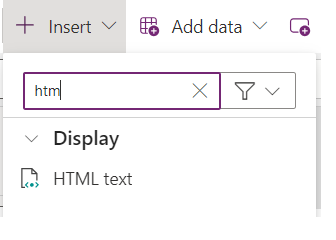
4. One the Page gets Loaded Click Insert and Add HTML TEXT


5. Now Add below text in HTML Text


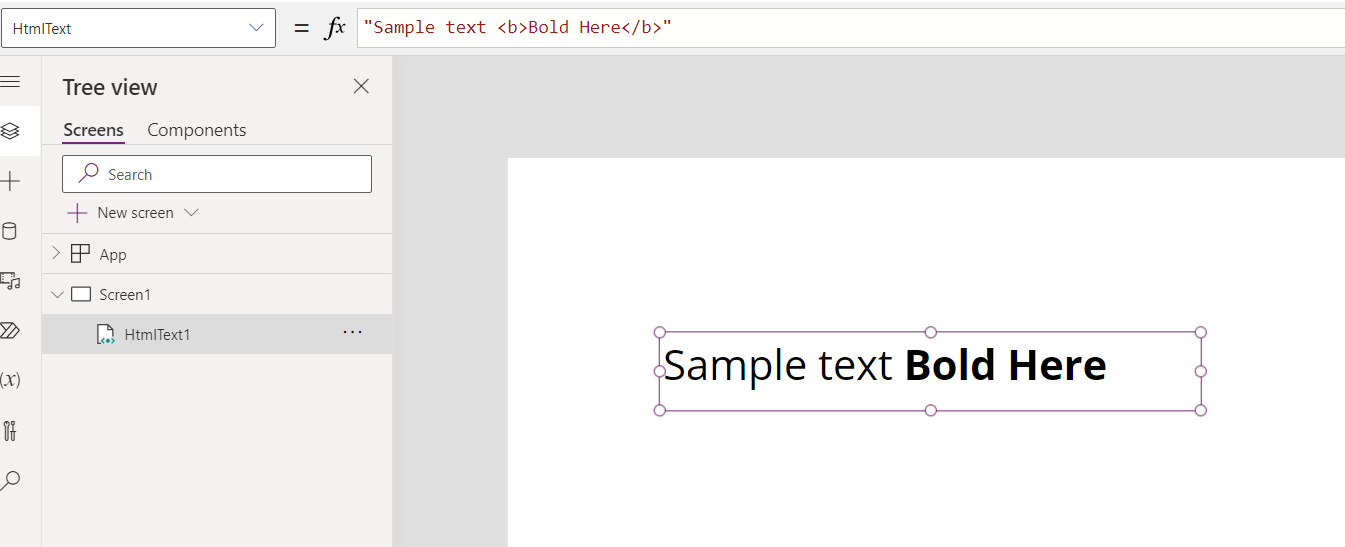
"Sample text <b>Bold Here</b>"


Explanation:

Sample text --> Sample text Value

<b> --> Bold Opening 

Bold Here --> Text to Bold

</b> --> Bold Closing


Final Image:


Conclusion:

Based on above steps you can convert text to BOLD from Canvas PowerApps

Friday, June 13, 2025

How to Use SUM, COUNT, AVERAGE, MAX, MIN in Canvas PowerApps

Introduction:

In this Blog we will see how to Use SUM, COUNT, AVERAGE, MAX, MIN in Canvas PowerApps.

Steps:


2. Click Apps

3. Select New and Select Apps


4. Click New App and select Start with Page Design

5. Select Blank Canvas template and Tablet


6.  Create a collection like below and paste it in OnStart of the APP

ClearCollect(expenses,
{Item: "Travel", Value: 100},
{Item: "Food", Value: 300 },
{Item: "Hotel", Value: 895 },
{Item: "Hotel",Value: 1300},
{Item: "Accessories", Value: 50},
{Item: "Flight", Value: 800}
);


7. Now Add a label and you can configure expressions like blow


"Count Rows :  "& CountRows(expenses)

"Average :  "& Average(expenses,Value)

"Max :  "& Max(expenses,Value)

"Min :  "& Min(expenses,Value)

"Count Rows :  "& Sum(expenses,Value)

Conclusion:

This is how we can easily configure the Expressions in PowerApps 

Create - Pre Operation - Dataverse Accelerator

  Introduction: In this Blog, we will see how to Create Pre-Operation Plugin in Dataverse Accelerator Validations: In Contact if user select...