Showing posts with label PowerApps. Show all posts

Thursday, February 12, 2026

Strange Popup in Power Apps Confirm(): What’s Happening?

 Introduction:


In this blog we will see how to show New Confirm Pop up in canvas PowerApps

Implementation Steps:

  • Navigate to https://make.powerapps.com

  • Create a new App

  • Change your App to New version

  • Write Below Code

    • Confirm("Confirm Button Popup");


  • You will see browser PopUp

  • But this is not an Actual Canvas App Popup, Lets see how we can get new Canvas PowerApps Confirm()

    • Click Settings
    • Select Updates
    • Look for Modern controls and themes
      • Toggle it ON
    • Click Close


  • Now Click the same button

  • Now you will get the Confirm() canvas Pop Up


Conclusion:

By following above steps we can get rid of Browser Popup and get the new Canvas App popup.

Understanding the Confirm Function in Canvas Power Apps

 Introduction:


In this blog we will see how Confirm Function works in Canvas Power Apps.

Implementation Steps:

  • Open https://make.powerapps.com


  • Select Apps and Click New App and Select Start with a Page design

  • Select Blank Canvas App and Click Create


  • Once Page Opened, Verify the below PreRequisites

  • Click Settings, select Support and make sure it is in Latest Version


  • Once Selected Click Reload + apply version

  • Save the App with Name


  • Now Click Settings and Enable Modern Controls and themes

  • Once App Loaded add a button 

  • On Select of Button Write below Code

    • Confirm("Confirm Button Popup")


  • Now Add below Code
    • Set(getSelectedOption,Confirm("Confirm Button Popup"));

  • Add a label to form and provide Text as "getSelectedOption"

    • Now when user selects Confirm you will get response as True 
    • If User selects cancel you will get response as False

  • Now Try below code for Title and SubTitle
    • Set(getSelectedOption,Confirm("Confirm Button Popup",{Title:"Header Title",Subtitle:"Sub Title"}));


  • Now Try below code to update Confirm and Cancel Button text
    • Set(getSelectedOption,Confirm("Confirm Button Popup",{Title:"Header Title",Subtitle:"Sub Title",ConfirmButton:"Ok",CancelButton:"Ignore"}));


  • Now try below Code​​​​​​​
    • If(Confirm("Confirm Button Popup",{Title:"Header Title",Subtitle:"Sub Title",ConfirmButton:"Ok",CancelButton:"Ignore"}),Notify("Confirmed"),Notify("Cancelled"));

      Based on selection it will show Popup if you Click Ok it will Notify as Confirmed else Cancelled

​​​​​​​Conclusion:

Going further we don't want to spend much time in Creating Popup :) by having simple command we can achieve this.

Wednesday, October 15, 2025

How to Add Static Text to CRM or Dataverse Using HTML Web Resources


 Introduction:

In this Blog, we will see how to Add Static Text to CRM or Dataverse Using HTML Web Resources

Implementation Steps : 
  1.  Navigate to https://make.powerapps.com
     
  2.  Click Solutions
     
  3. Open the Solution or Create a New Solution
     
  4. Click New --> Select Web Resource
     
  5. Select Type as HTML


  6. Input below Code
    <!DOCTYPE html>
    <html>
    <head>
        <meta charset="utf-8" />
        <title>Static Text</title>
        <style>
            body {
                font-family: "Segoe UI", Tahoma, Geneva, Verdana, sans-serif;
                font-size: 14px;
                color: #333;
                margin: 0;
                padding: 0;
                background-color: transparent;
            }
    
            .static-text {
                padding: 0;
                border: none;
                background: none;
            }
        </style>
    </head>
    <body>
        <div class="static-text">
            This is a static text.
        </div>
    </body>
    </html>
    

  7.  Click Save and Publish
     
  8. Open the form where you want to display this HTML
     
  9. Like Account --> Information Form
     
  10.  Once Form Opened Drag and Drop HTML


  11.  Click Add
     
  12. Now Save and Publish the Form
     
Conclusion:

This is one of the easiest way to add static text in MSCRM or Dataverse

Friday, June 13, 2025

How to Send Email on Behalf of Another User - MSCRM / Power Platform

 Introduction:


In this blog, we will see how to send email on Behalf of Another User in Microsoft Dynamics CRM / Power Platform?

Error i faced in Power Automate Flow:


This issue occurs when i tried to send email on behalf of another User

How to Fix?

1. Navigate to https://make.powerapps.com  or your CRM or your PowerApps Environment.

2. Click Gear Icon at the Top and select Advance Settings

3. Search for Security and Select Security


4. Once the page Look for Security Roles  and search for your Security role to provide Permissions

5. In my case it is Approval User

6. Look for Approval User then Click Miscellaneous privileges then Click Show all privileges and search for EMAIL

7. Now you will Find Send Email as Another User like below


8. Change None to Organization


9. Now Click Save 


That's it.

Conclusion:

By providing this access, User who is having this security role can send email on behalf of another user.

How to Use SUM, COUNT, AVERAGE, MAX, MIN in Canvas PowerApps

Introduction:

In this Blog we will see how to Use SUM, COUNT, AVERAGE, MAX, MIN in Canvas PowerApps.

Steps:


2. Click Apps

3. Select New and Select Apps


4. Click New App and select Start with Page Design

5. Select Blank Canvas template and Tablet


6.  Create a collection like below and paste it in OnStart of the APP

ClearCollect(expenses,
{Item: "Travel", Value: 100},
{Item: "Food", Value: 300 },
{Item: "Hotel", Value: 895 },
{Item: "Hotel",Value: 1300},
{Item: "Accessories", Value: 50},
{Item: "Flight", Value: 800}
);


7. Now Add a label and you can configure expressions like blow


"Count Rows :  "& CountRows(expenses)

"Average :  "& Average(expenses,Value)

"Max :  "& Max(expenses,Value)

"Min :  "& Min(expenses,Value)

"Count Rows :  "& Sum(expenses,Value)

Conclusion:

This is how we can easily configure the Expressions in PowerApps 

Friday, May 3, 2024

How to Run Microsoft Flow for Every one Month

Introduction:


In this Blog we will see how to Run Microsoft Flow for Every one Month.


Implementation Steps:


1. Navigate to https://make.powerautomate.com


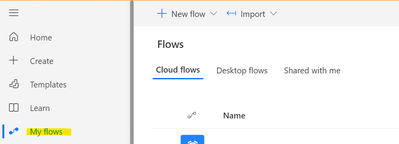
2. Click My Flows at the Left Side


rampprakash_0-1714736875580.png


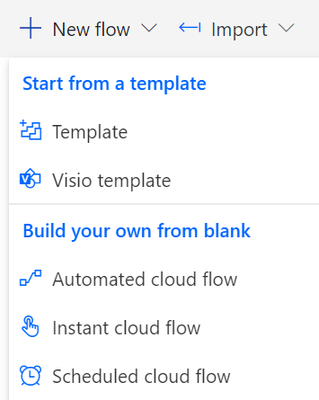
3. Click New Flows and Select Scheduled Cloud Flows


rampprakash_1-1714736970375.png


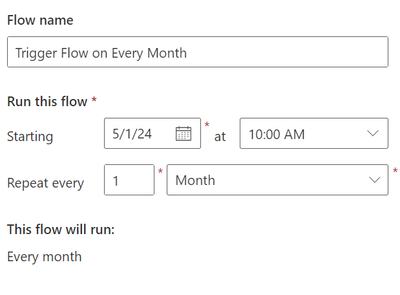
4. Once Selected it will prompt a page there enter the Name of the Flow and Select the Date on when to trigger and Select the Repeat every 1 MONTH

rampprakash_2-1714737550885.png


That's it :slightly_smiling_face:


Tuesday, March 19, 2024

How to Use Multilingual Language in Canvas PowerApps

Introduction:


In this Blog, we will see how to use multilingual language in Canvas PowerApps


Implementation Steps:


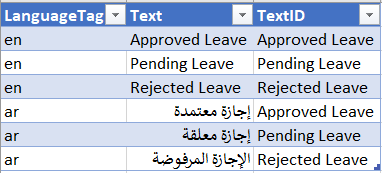
1. Open an Excel and Create Data Like Below and Save the Excel.

rampprakash_0-1710853889768.png


2. Now Navigate to https://make.powerapps.com

3. Click Apps


4. Click New Apps --> Page Design


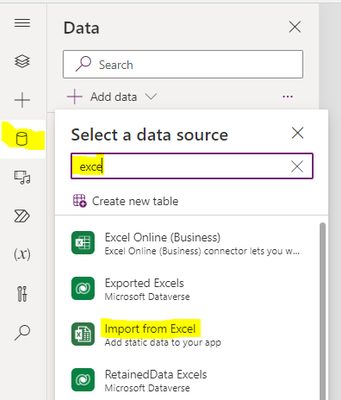
5. Click Data Source at the Left Side and Search for IMPORT FROM EXCEL

rampprakash_1-1710853908211.png


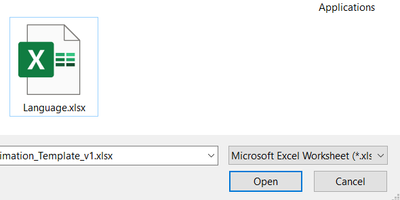
6. Now Select the Excel from your Saved Location

rampprakash_3-1710853971926.png


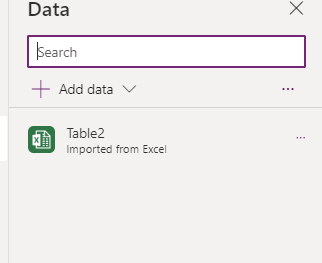
7. Once After Selected the Excel you will see the Data Gets added Successfully in the PowerApps

rampprakash_4-1710853976602.png


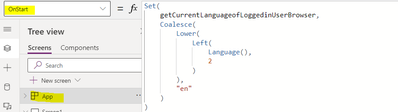
8. Now in On Start of App write Below Code to get the Lanaguage of User (based on Broswer)

rampprakash_5-1710853981574.png


Set(
getCurrentLanguageofLoggedinUserBrowser,
Coalesce(
Lower(
Left(
Language(),
2
)
),
"en"
)
)


9. Now Add 3 labels (Click Insert and Click Labels)
Write Below Code
LookUp(Table2,LanguageTag=getCurrentLanguageofLoggedinUserBrowser && TextID = "Approved Leave").Text
LookUp(Table2,LanguageTag=getCurrentLanguageofLoggedinUserBrowser && TextID = "Pending Leave").Text
LookUp(Table2,LanguageTag=getCurrentLanguageofLoggedinUserBrowser && TextID = "Rejected Leave").Text


10. That' it . Now will run the PowerApps

11. For English

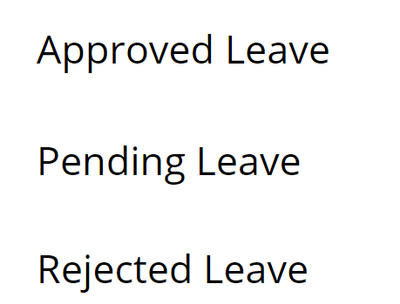
rampprakash_6-1710853989163.png


12. For Arabic


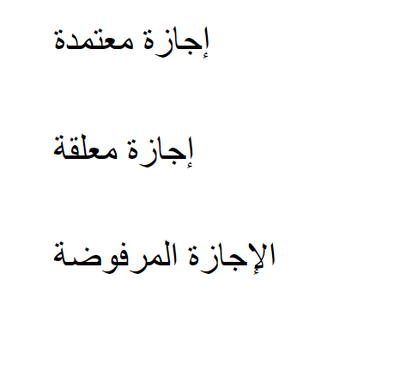
rampprakash_7-1710853994297.png

Thursday, February 9, 2023

How to Install Smart Buttons for Ribbon Workbench using XrmToolBox

Introduction:


In this blog we will see how to install Smart Buttons for Ribbon Workbench using XRMToolBox


Implementation Steps:


1. Navigate to https://make.powerapps.com


2. Click Solutions


3. Select Import Solutions and import Ribbon Work Bench (Download here)


rampprakash_0-1675941386216.png


4. Once Solution Imported then Click Gear Icon at the Top and Select Advance Settings

rampprakash_1-1675941569755.png


5. Select Solutions --> You will find Ribbon Work Bench

rampprakash_2-1675941615754.png


6. Click the Ribbon Work Bench it will open PopUp like below


rampprakash_3-1675941639663.png


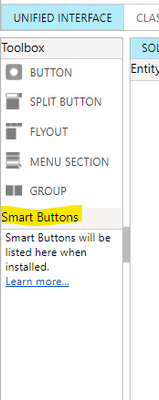
7. At the Left side you can see the Smart Button but it does not contain any values


Let's see how to show SMART Buttons


8. Now Click Below Link


https://ribbonworkbench.uservoice.com/knowledgebase/articles/896958


9. Once You Opened Link you will find another Link


https://github.com/scottdurow/RibbonWorkbench/releases


10. Once you clicked on Above Link you will redirect to Github and Download the Highlighted Solution


rampprakash_4-1675941975263.png


11. Now again go to Solutions (Follow Point 1 and 2)


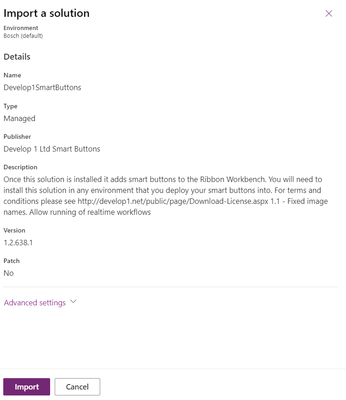
12. And Import Solution downloaded from Point 10


13. Select the Solution and Click Import


rampprakash_5-1675942059376.png


14. Now again go to Legacy Mode and Click on Solutions and Select Ribbon Work Bench Again


15. Once page loaded you can find the Smart Buttons.


rampprakash_6-1675942238015.png


 That's it :slightly_smiling_face:


Strange Popup in Power Apps Confirm(): What’s Happening?

  Introduction: In this blog we will see how to show New Confirm Pop up in canvas PowerApps Implementation Steps: Navigate to https://make.p...